Wind, hail and roof leaks that let water in, Suwanee
Roof Leaks and Storm Water Damage in Suwanee, GA
Water from a storm or a roof leak in Suwanee, GA shows up as drips in the attic, stains after a windy thunderstorm or soaked insulation over a bedroom.
Call (678) 572-1407 and describe the storm, the room and where the water is coming through.
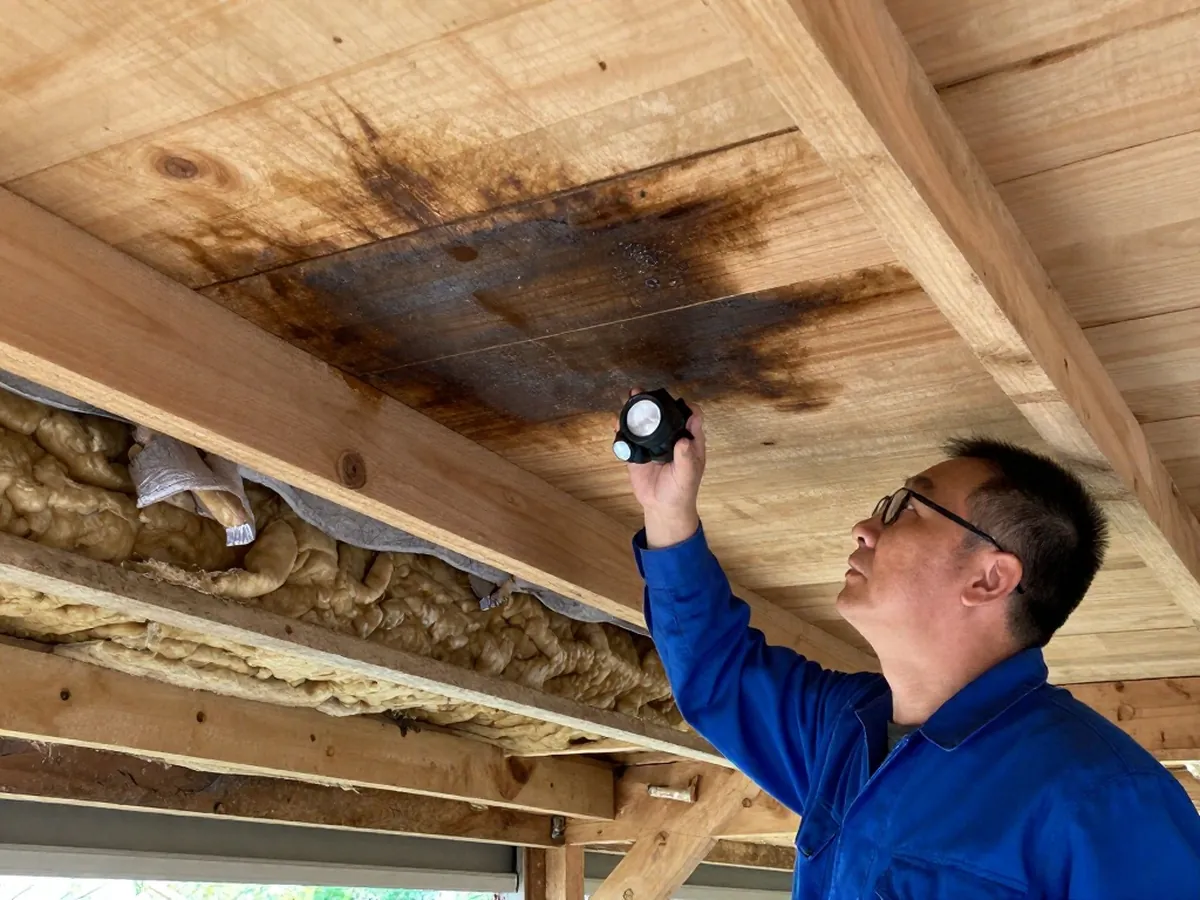
What you can see
- A brown stain or a drip under the roofline after a windy storm
- Damp rafters or a dark streak on the underside of the roof boards
- Shingles, flashing or a vent cap lying in the yard after wind
- Water on the floor beneath a window or sliding door during a storm
- Gutters pulling away, or water pouring over them at a corner of the house
Around Suwanee
Across the warning area of the Peachtree City weather service office, damaging thunderstorm winds average 19 days a year and tornado days average 6, most of them between March and May.
The Atlanta airport recorded 3.70 inches of rain by 8 p.m. on 19 September 2009, more than double the old record for that date, in a flood the National Weather Service's write-up calls epic.
On site, a visit goes like this
Call (678) 572-1407 and describe the storm, the room and where water is coming through; the contractor can arrange a visit.
Roofing is a separate trade. The contractor looks at what the water did inside the house and says where a roofer comes in.
Moisture readings through the ceiling, the walls and, where there is access, the attic show where the water went.
Wet insulation and drywall are checked, and the contractor says what comes out and what can dry in place.
Fans and dehumidifiers go in with a plain explanation, and ruined items are noted.
The date of the storm goes into the written summary, along with what to photograph for the insurer.
When safety comes before cleanup
- A power line down near the house, a tree or a car: treat it as live, keep your distance, and leave it to 911 or the power company; Georgia Power's outage line is 1-888-891-0938.
- A wet roof, or a ladder: staying on the ground is the safer way to look. Dial 911 if someone has fallen.
- A generator or gasoline pump running through a power cut: it stays outdoors, with 20 feet or more between it and any window, door or vent.
- Water standing across a road or a driveway: do not drive or wade into it. The National Weather Service's rule is turn around, don't drown.
What changes the size of a job
Why storm jobs range so widely
One lifted shingle over a closet and a torn section over a bedroom are different starting points. The work grows with how long the water got in, how much insulation and drywall it soaked and how many rooms sit under the opening. A leak still running, because the roof has not been closed up, keeps the job open. The contractor names a figure after seeing the damage.
Looks you can take from dry ground
Stay with checks you can make from dry ground, in daylight, away from anything electrical that has been wet. Wet wiring and soaked drywall are professional work.
- After the storm, stay on the ground and study the roofline from the yard. Note missing shingles, loose flashing or a branch resting against the house.
- Look through the attic hatch with a flashlight, without stepping onto the insulation or the boards, for damp wood or a dark streak.
- Photograph the damage and the weather: a screenshot of the radar or the forecast helps date the event for an insurer.
- Check the frames of windows and doors on the windward side for water tracks.
Moves that make it worse
After a storm, a few things to leave alone
Tossing ruined items before they are photographed. Making permanent repairs before the insurer has inspected, which Georgia's insurance commissioner flags in its claim tips. Driving through water on a road to check the damage. Running a generator in a garage that connects to the house.
Georgia seasons and this job
March through May is the stormiest stretch
The National Weather Service's Peachtree City climatology puts most tornado days in March, April and May, and the Suwanee 1.5 W rain normal for March is 5.07 inches, the highest of the year. Damaging winds turn up on 19 days a year on average, so storm leaks are a year-round possibility with a spring peak.
Have this at hand
Give the call a head start
- The date and kind of storm: wind, hail, a long rain
- Where water is coming in, and on which floor
- What the roof looks like from the ground
- Whether anything is down on the property, such as a limb or a line
- Photos taken before anything is moved
Have the street address, the room it started in and what you can see ready, then call (678) 572-1407. If you rent, contact the landlord first. Calls cover Suwanee, Sugar Hill and Johns Creek.
Before you hire anyone
Roof work and the paperwork
Suwanee's building page says permits are required for re-roofs, which comes into play after the inside has dried. The same page covers repairs to a structure, so the hiring checklist lists the offices for all three cities and the hiring tips from Georgia agencies.
Where this comes from
- National Weather Service Peachtree City, Severe weather climatology
- National Weather Service Peachtree City, The epic floods of September 2009
- National Weather Service, Turn around, don't drown
- National Weather Service, Flood safety
- Georgia Power, Outages and downed power lines
- CDC, Reentering your flooded home
- Georgia Office of Commissioner of Insurance and Safety Fire, Insurance claim tips
- Georgia Emergency Management and Homeland Security Agency, Insurance planning
Checked 1 Nov 2026