Drain and toilet backups inside a Suwanee house
Sewage Backup Cleanup in Suwanee, GA
Sewage backup cleanup in Suwanee, GA starts with dirty water backing up through a basement floor drain, the bathtub or a toilet, and a sour smell close behind.
Call (678) 572-1407 and say which fixtures are backing up and whether the neighbors have the same trouble; the contractor can arrange a visit.
What you can see
- Dirty water rising in a floor drain, a shower or a tub when the washer or a toilet runs
- A toilet that gurgles or will not flush while other fixtures drain slowly too
- A sour sewer smell in a basement or laundry room that comes and goes
- Dark residue around a floor drain or a cleanout cap
- Water in the lowest fixture of the house just after a heavy rain
Around Suwanee
For a sewer backup or an overflowing manhole outside, Gwinnett County Water Resources lists 678.376.7000. Its page says leaks and backups on the private side are the owner's responsibility.
Suwanee's stormwater page notes septic systems at many homes in its historic area, and Sugar Hill's FAQ puts septic on the owner. Septic records going back to 1959 sit with Gwinnett Environmental Health, 770-963-5132.
For sewer trouble in North Fulton, where Johns Creek sits, the county's emergency page prints 404-612-3061, with 770-640-3040 for drinking water.
On site, a visit goes like this
Call (678) 572-1407 and say which fixtures are backing up; the contractor can arrange a visit.
The visit maps how far the backup spread and which materials it touched. A plumber or the utility deals with the blockage itself.
The EPA says rugs, flooring, wallboard and upholstered furniture that touch sewage usually have to be replaced, and the contractor goes through the items one by one.
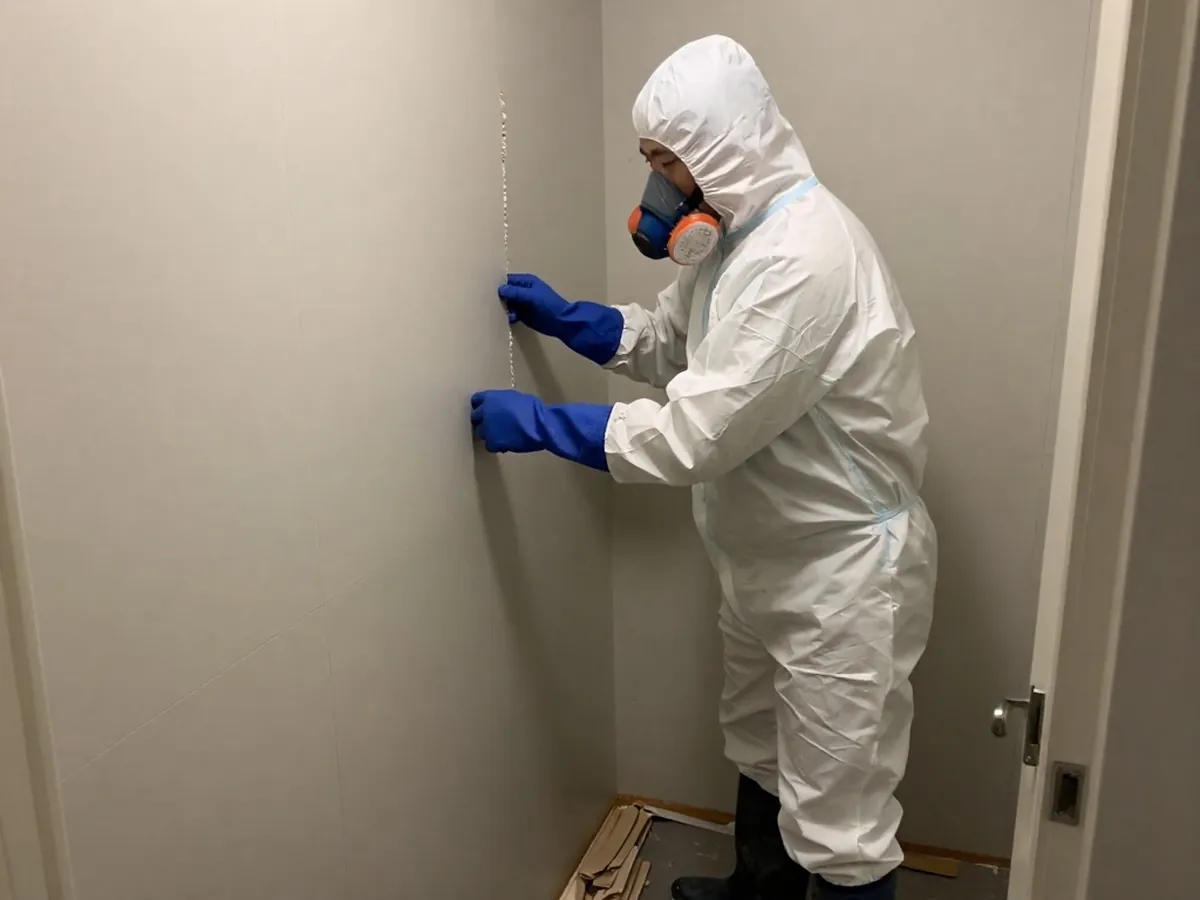
Hard surfaces are cleaned and disinfected by people wearing boots, gloves and goggles, the gear the CDC lists for floodwater cleanup.
Drying equipment goes in after the cleanup, with an explanation of what the machines are doing.
A written list of what was found and what was removed goes to you, ready for an insurer or a landlord.
When safety comes before cleanup
- Sewage on the floor or in standing water: keep children and pets away, and keep bare skin off it.
- Sewage-tainted water near outlets, the furnace or the breaker panel: stay out of that room, and phone 911 for anyone who has been shocked.
- Any whiff of gas along with the sewer smell: leave by the nearest door, then tell the gas company or 911 once you are out.
- Sinks, showers or the washer running while a drain backs up: do not add more water, since it has nowhere to go but the floor.
What changes the size of a job
What pushes a sewage cleanup toward the larger end
How much of the house the water reached, and what it soaked into, set the scale. Carpet, pad and wallboard that touched sewage are usually replaced, while tile and sealed concrete can be cleaned and disinfected. Whether the blockage is on the owner's side or the utility's changes who pays for that part. The contractor puts figures on the cleanup after seeing the rooms.
Looks you can take from dry ground
Stay with checks you can make from dry ground, in daylight, away from anything electrical that has been wet. Wet wiring and soaked drywall are professional work.
- Count the fixtures affected. One slow sink points to a local clog; a floor drain and a toilet together point farther down the line.
- Glance at the street and the yard for an overflowing manhole, and note it. Gwinnett County Water Resources takes those reports at 678.376.7000.
- Find out whether the house is on county sewer or a septic tank. Suwanee's stormwater page says many homes in its historic area use septic, and a Gwinnett bill showing a zero sewer charge probably means septic.
- Photograph the water, the drain and anything it touched from a dry spot, without stepping in.
Moves that make it worse
Moves that spread it through the house
Walking through the water and carrying it onto dry floors on shoes. Running the washer or flushing to test whether the drain is clear. Using a household vacuum on wet sewage, which is a shock risk and a mess. Keeping soaked rugs and cardboard in the house to dry out.
Georgia seasons and this job
Rain and sewer trouble get filed together
Gwinnett County Water Resources lists major flooding during rain beside sewer backups and overflowing manholes on its report page. That pairing tells you where to look after a downpour: if the street manhole is running, the county needs to hear about it, and the house side is the owner's.
Have this at hand
What to say about the backup
- Which fixtures are backing up
- Whether the neighbors have the same trouble
- Whether the house is on county sewer or septic
- How far the water spread, and which materials it touched
- Photos taken from a dry spot
Have the street address, the room it started in and what you can see ready, then call (678) 572-1407. If you rent, contact the landlord first. Calls cover Suwanee, Sugar Hill and Johns Creek.
Before you hire anyone
Who is called, and who is told
Sugar Hill's FAQ points water and sewer emergencies at Gwinnett County Water Resources, while repairing a private line falls to the owner. Rebuilding afterwards can bring in a city office, and the hiring checklist lists the three.
Where this comes from
- U.S. EPA, Sanitary sewer overflows: frequent questions
- CDC, Floodwater after a disaster or emergency
- U.S. EPA, Flood cleanup: protect indoor air and your health
- Gwinnett County Water Resources, How to report a problem
- City of Suwanee, Stormwater management
- City of Sugar Hill, Frequently asked questions
- Fulton County, Water services: emergency repairs
- U.S. EPA, Types of septic systems
Checked 1 Nov 2026